- No products in the cart.
-
-
-
specifications: [[item.skuinfo]]
price: [[item.currency]][[item.price]]
[[item.currency]][[item.allPrice]]
-
-
Price
dsfasdfsadf
This store has earned the following certifications.
- Certified Secure Certified
- 100% Issue-Free Certified
- Verified Business Certified
- Data Protection Certified
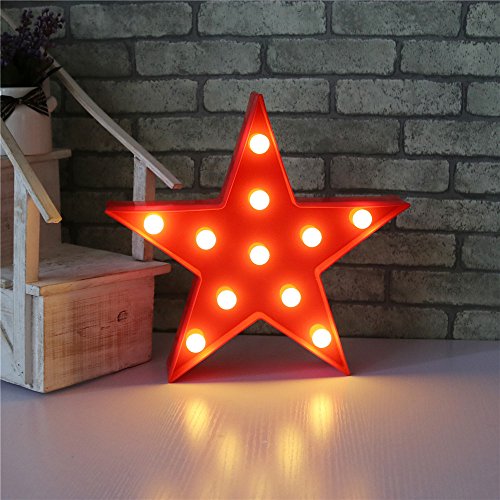
Shop / american atelier marquee red
L'Arche: Art Workshop in Old Montreal (French Edition) Bret Easton Ellis: The Writer of the Asperger Generations (French Edition)
GUARANTEED SAFE CHECKOUT



The unassuming building at 26-28 Rue Notre-Dame Est in Montreal conceals a remarkable cultural history. From 1904 to the mid-1920s, this attic space, known as L'Arche, was a celebrated artists' studio that played a pivotal role in the cultural life of the era.
The story of L'Arche can be divided into three distinct periods. Initially, it was the painter and poet Émile Vézina who welcomed fellow artists such as Marc-Aurèle Fortin, Henri and Adrien Hébert, Jobson Paradis, Georges Delfosse, Edmond-Joseph Massicotte, and Albert Ferland, among others, to work in this shared studio.
The second phase was marked by the arrival of the literary group known as the Tribu des Casoars. Led by Roger Maillet, this collective included authors like Victor Barbeau, Marcel Dugas, Philippe Panneton (Ringuet), Léo-Paul Desrosiers, Ubald Paquin, René Chopin, Édouard and Jean Chauvin, and Robert de Roquebrune. They were joined by musicians Léo-Pol Morin, Georges-Émile Tanguay, Émile Taranto, Rodolphe Mathieu, Placide Morency, and the singer Odilon, who was also a painting merchant, as well as actors Paul Coutlée, Armand Leclaire, and their troupes.
The final chapter of L'Arche's history saw the arrival of the painters of the Montée Saint-Michel group, led by Ernest Aubin, accompanied by Élise Martel and Joseph Jutras. Their companions included Jean-Onésime Legault, Onésime-Aimé Léger, Jean-Paul Pépin, Narcisse Poirier, and Joseph-Octave Proulx. This diverse group of young Montrealers engaged in debates that foreshadowed the artistic and literary modernism of the era.
The building at 26-28 Rue Notre-Dame Est, which today likely goes unnoticed by passersby, was once a hub of creativity and intellectual discourse, a multidisciplinary haven that nurtured the cultural renaissance of early 20th-century Montreal.
product information:
| Attribute | Value |
|---|